

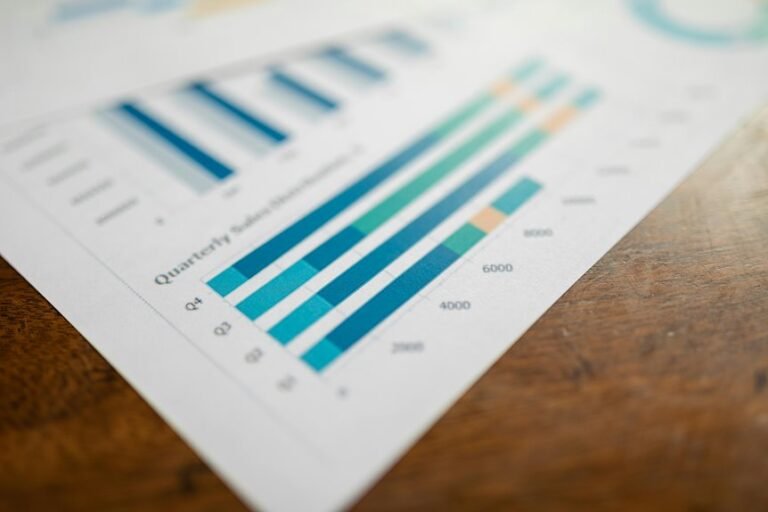
Next-generation market intelligence represents a significant evolution in how businesses interpret market dynamics. By utilizing identifiers like 120762065 and 970806969, organizations can harness advanced analytics and real-time data. This integration allows for the identification of emerging trends and the optimization of strategic decisions. However, the influence of innovative technologies such as AI and machine learning raises questions about how effectively these tools can adapt to ever-changing consumer preferences. What implications does this hold for future market strategies?
Understanding Market Intelligence Identifiers
Market intelligence identifiers serve as critical markers that facilitate the collection, analysis, and interpretation of market data.
By accurately tracking market trends and consumer behavior, these identifiers enable businesses to adapt strategies and enhance decision-making processes.
Understanding these markers allows companies to gain insights into shifting preferences and emerging patterns, ultimately fostering a responsive environment that aligns with the evolving landscape of consumer demands.
Analyzing the Impact of Advanced Analytics
While traditional methods of data analysis have provided valuable insights, the advent of advanced analytics has transformed the landscape of market intelligence.
Advanced forecasting techniques and predictive modeling enable organizations to anticipate market trends with greater accuracy.
This shift allows for more informed decision-making, empowering businesses to adapt swiftly to changing conditions and optimize their strategies to enhance competitive advantage in dynamic markets.
Leveraging Real-Time Data for Strategic Decisions
The integration of advanced analytics has paved the way for organizations to harness real-time data, significantly enhancing their strategic decision-making processes.
By utilizing real-time analytics, businesses can derive strategic insights that inform timely actions and optimize operational efficiency.
This capability allows for adaptive strategies, fostering a proactive stance in dynamic markets and ultimately empowering organizations to navigate complexities with greater agility and accuracy.
Innovative Technologies Shaping Market Dynamics
As organizations increasingly adopt innovative technologies, the landscape of market dynamics is undergoing profound transformations.
AI advancements and machine learning enhance predictive modeling, allowing for more accurate forecasts. Data visualization tools empower stakeholders with insights, while cloud computing facilitates seamless data access.
Moreover, blockchain technology ensures transparency and security in transactions, reshaping operational frameworks and fostering trust across various sectors.
Conclusion
In conclusion, next-generation market intelligence, exemplified by identifiers like 120762065 and 970806969, serves as a lighthouse guiding businesses through the turbulent seas of market fluctuations. By harnessing advanced analytics and real-time data, organizations can not only navigate emerging trends but also craft strategies that resonate with evolving consumer preferences. As innovative technologies continue to reshape the landscape, companies equipped with these insights will stand poised to thrive amidst the ever-changing market dynamics.